

Shoulder doctor in San Francisco and Santa Barbara
The shoulder moves more than any other joint, which also makes it easy to injure. Dr. Christian Guier completed fellowship training in shoulder surgery in Lyon, France, and treats shoulder pain, weakness and instability.
Common shoulder problems
Rotator cuff tears and tendinitis
The rotator cuff is a group of four muscles and tendons that lift and rotate the arm. Injuries can cause pain when reaching overhead, pain at night and weakness.
Shoulder dislocation and instability
When the ball of the shoulder comes out of the socket, the surrounding ligaments and labrum can be damaged, which makes another dislocation more likely.
Labral tears
The labrum is a rim of cartilage that deepens the shoulder socket. Tears can cause deep pain, clicking and a feeling that the shoulder is loose.
Frozen shoulder
Also called adhesive capsulitis, frozen shoulder happens when the joint capsule thickens and tightens, causing pain and a gradual loss of motion over months.
Impingement and bursitis
Irritation of the rotator cuff tendons and the bursa above them causes pain when you lift your arm, especially overhead.
AC joint injuries and collarbone fractures
A fall onto the shoulder, common in cycling and skiing, can separate the joint at the top of the shoulder or break the collarbone.
Shoulder arthritis
Wear of the joint cartilage causes deep aching, stiffness and grinding with movement.
When to see an orthopedic surgeon
- Pain at night or when lying on the shoulder
- Weakness when lifting or rotating the arm
- A shoulder that has dislocated or feels loose
- Steady loss of motion
- Pain that lasts more than a few weeks
- A bump, deformity or severe pain after a fall
Get emergency care if
The shoulder looks deformed or out of place, you can't move the arm, or the arm or hand is numb, cold or pale after an injury.
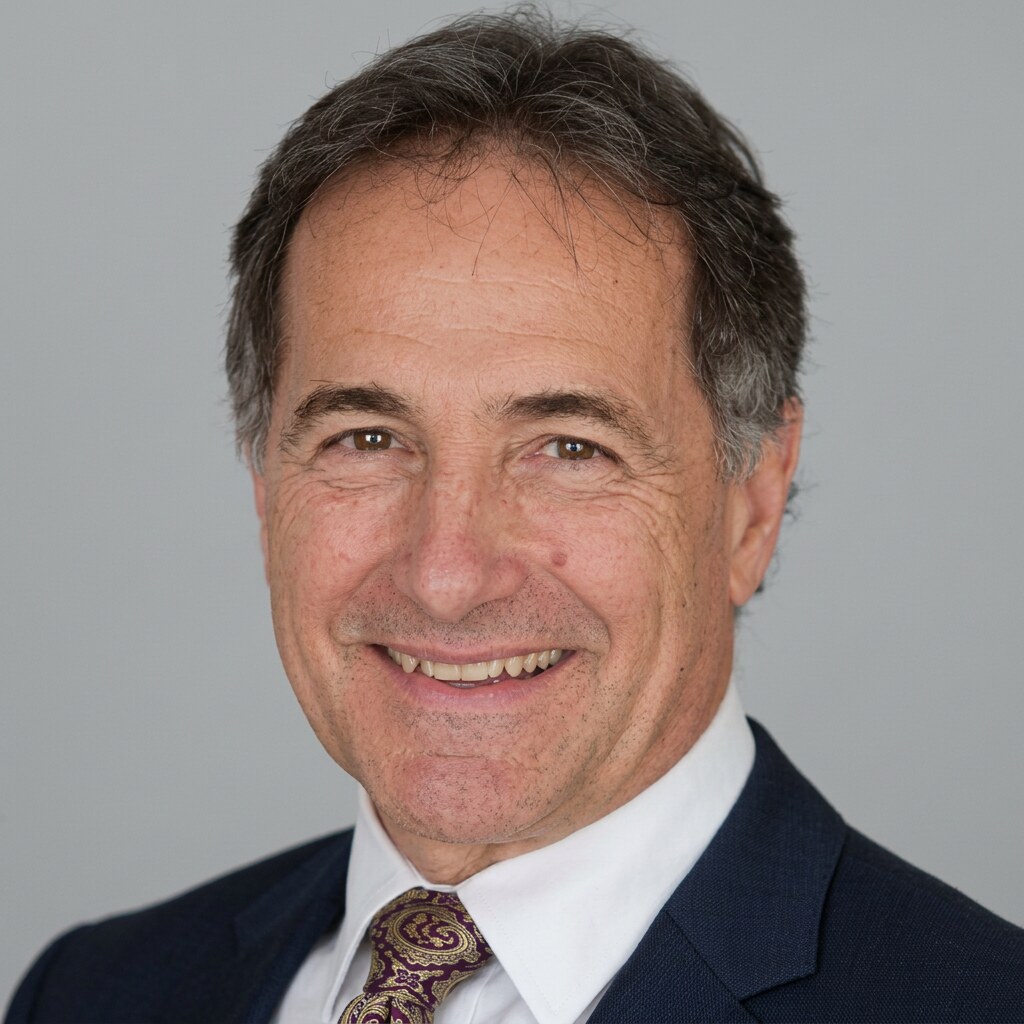
Christian A. Guier, MD CM, FAAOS, FACS
How Dr. Guier evaluates your shoulder
Dr. Guier asks how and when the pain started, then tests your motion, strength and stability in different positions. X-rays and, when needed, an MRI help confirm what's going on.
He'll review any X-rays or MRI with you and explain what they show before discussing options.
Non-surgical care
- Rest and activity changes
- Physical therapy to restore motion and strengthen the rotator cuff
- A sling for certain injuries
- Anti-inflammatory medication when appropriate
- Injections when appropriate
When surgery may help
- Arthroscopic rotator cuff repair
- Labral repair and shoulder stabilization
- Arthroscopic decompression
- Collarbone and shoulder fracture repair
Surgery may be considered for a significant tear, repeated dislocations, or pain and weakness that don't improve with non-surgical care.
Dr. Guier will walk you through every reasonable option and help you choose what fits your goals.
What patients say
Very professional and knowledgeable. Great bedside manner. Highly recommended (and I'm a healthcare professional).
Dr. Guier was kind, professional and seemed to genuinely care about my concerns. I highly recommend him to anyone!
Easy-going bedside manner, interested in me as a patient, and took plenty of time for my appointments; no rushing.
Shoulder questions
Get your shoulder moving again.
Request a consultation in San Francisco, Santa Barbara or by video.
This page is for general education and isn't medical advice. For advice about your situation, request a consultation. Last updated September 2026.